Electric vehicles are well suited to Canadian driving, but winter changes how energy is consumed. Cold temperatures affect battery efficiency, cabin heating requires power, and snow increases rolling resistance.
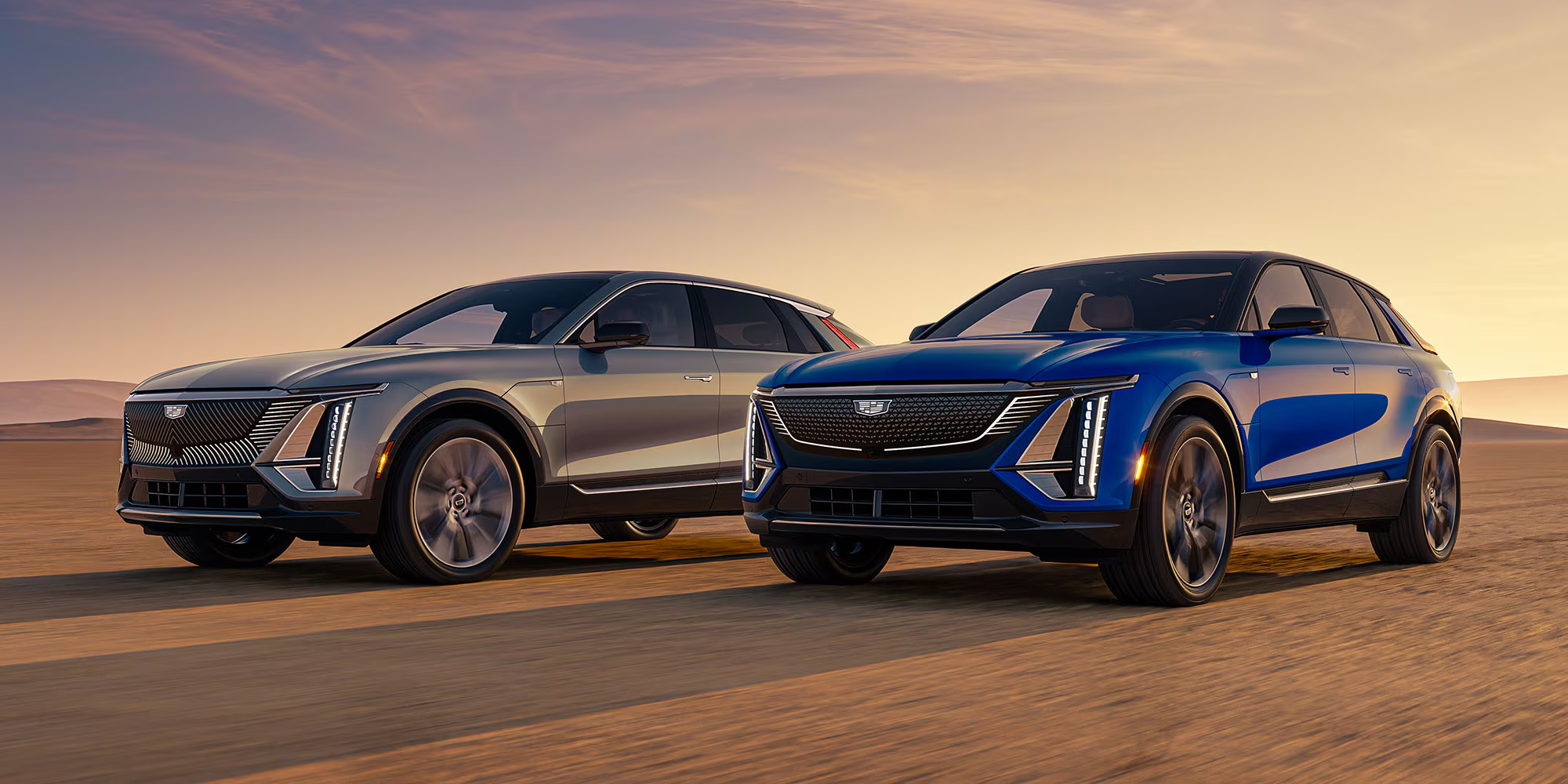
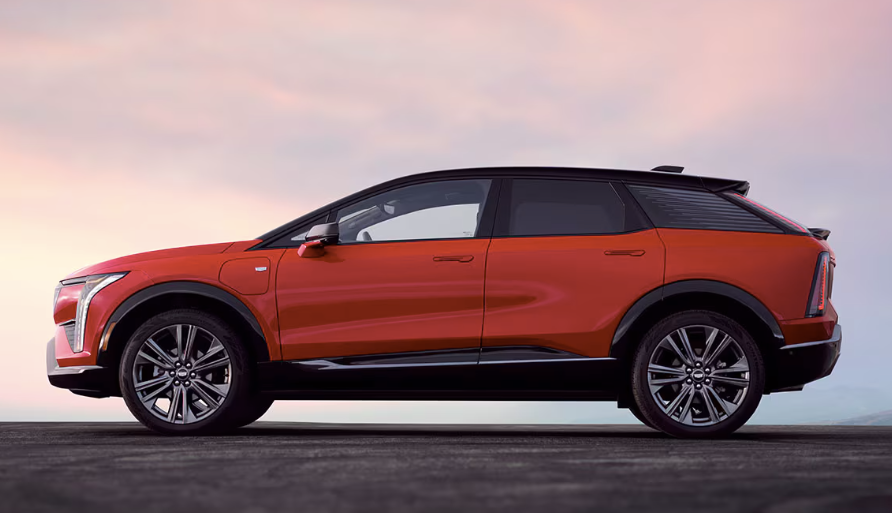
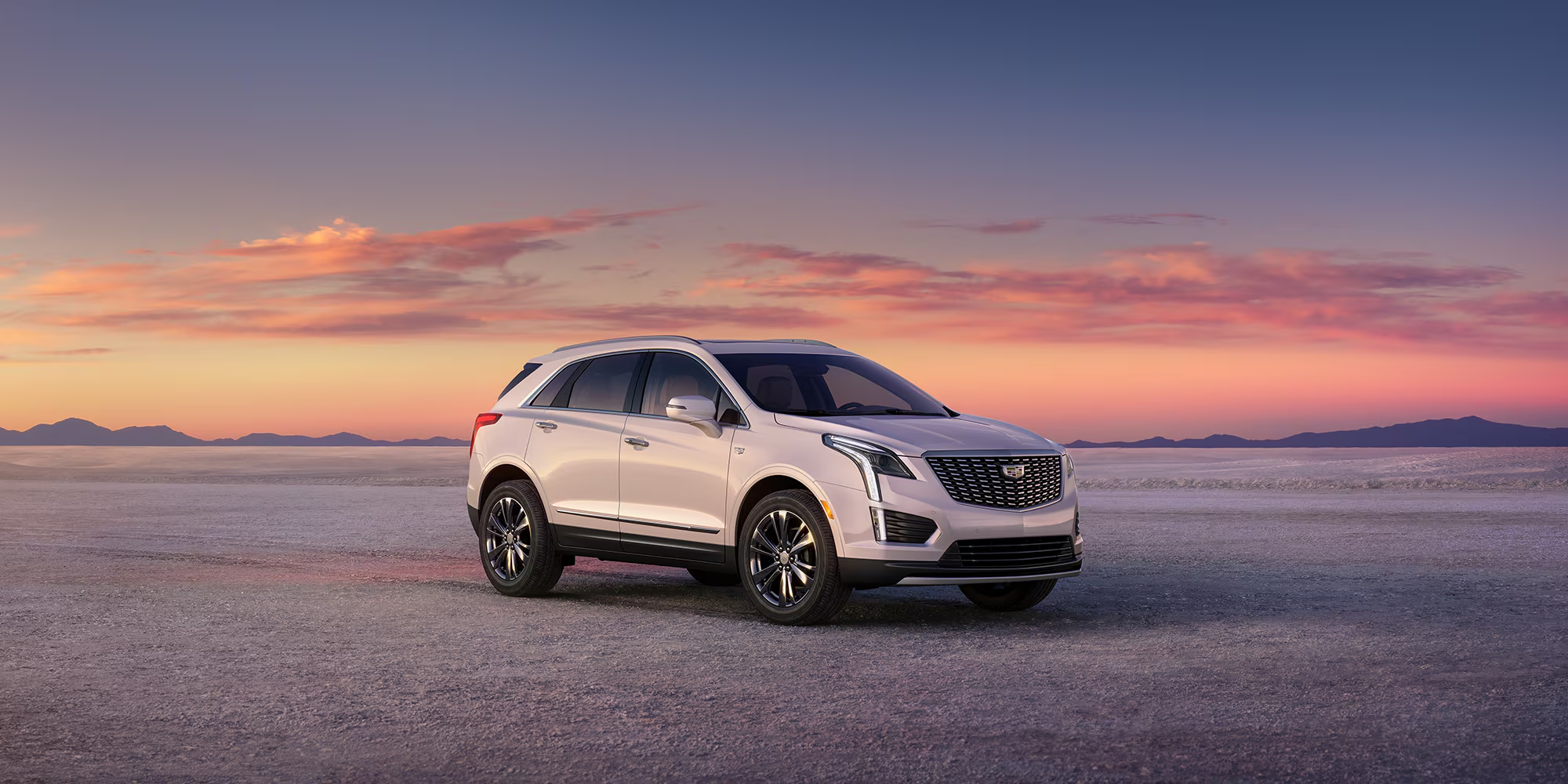
For Cadillac OPTIQ, LYRIQ, VISTIQ and ESCALADE IQ owners in Pincourt, Île-Perrot, Vaudreuil-Soulanges and Greater Montréal, here are 10 practical winter driving tips.
1. Precondition the Cabin While Still Plugged In
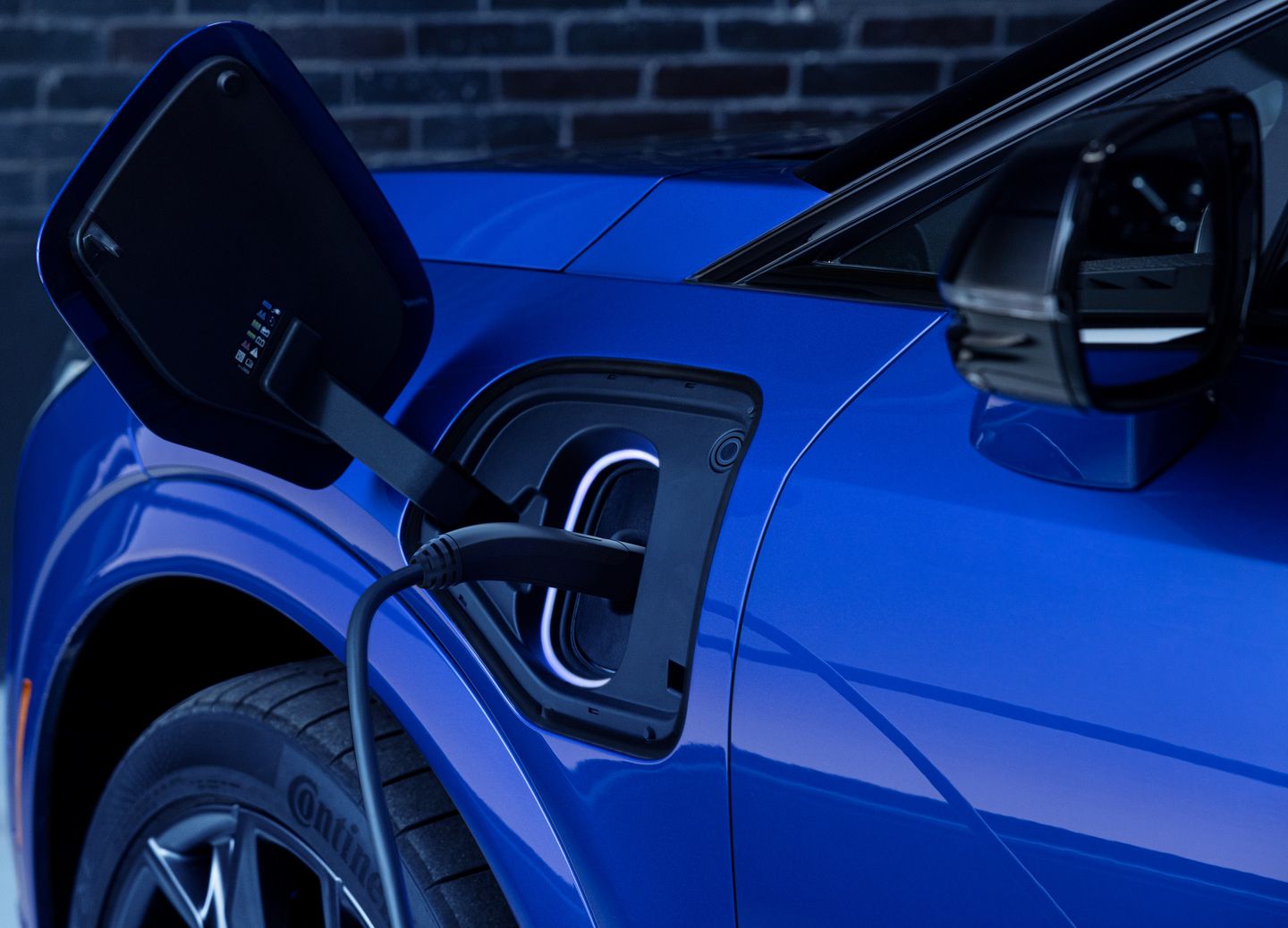
Heating the cabin requires energy. If the Cadillac is plugged in during preconditioning, that energy is drawn from the charging source rather than the high-voltage battery. The vehicle begins its trip warm while preserving stored driving range. Departure times can be scheduled in the charging settings.
2. Keep the Vehicle Plugged In When Practical
When a Cadillac EV remains connected at home, its systems better manage battery conditioning before departure. Setting a daily target charge level around 80% supports battery longevity, while a higher target can be set prior to long trips.
3. Expect Range to Change With Temperature
EV range varies with speed, heating, snow, tire pressure and terrain. Operating at -20°C requires more energy both to move the vehicle and maintain comfortable cabin and battery temperatures. Allowing a range margin is a practical habit.
4. Use Heated Seats and Steering Wheel Strategically
Heating occupants directly requires less energy than warming the entire cabin volume. Once the windshield is clear, heated seats and steering wheel maintain comfort while reducing the demand placed on the primary climate control system.
5. Precondition the Battery Before DC Fast Charging
Cold batteries accept energy more slowly. When routing to a DC fast charger using Google built-in navigation, the vehicle automatically begins conditioning the high-voltage battery roughly 30 minutes prior to arrival to optimize charging speed.
6. Plan Winter Charging Stops With a Safety Margin
Arrive at winter charging stations with more remaining battery than the absolute minimum required. Weather, snowfall and traffic delays can alter energy consumption. The myCadillac app and Google navigation help identify stops early.
7. Use DC Fast Charging Efficiently
DC fast charging is fastest through lower and middle battery levels and slows as state of charge nears 80%. Stopping at 80% during long winter trips is often more time-efficient than waiting for a 100% charge.
8. Monitor Tire Pressure Regularly
Cold weather drops tire pressure, increasing rolling resistance and energy consumption. Check tire pressures frequently and maintain recommended cold inflation pressures. Ensure adequate tread depth for snow traction.
9. Install Proper Winter Tires
Mandatory in Quebec from December 1 to March 15, winter tires are essential for handling the immediate low-speed torque of electric motors on snow and ice. Safety and braking control should always take precedence over minimal rolling resistance.
10. Adjust Regenerative Braking on Slippery Surfaces
One-Pedal Driving and Regen on Demand are effective features, but smoother, conventional braking inputs are recommended on snowy or icy roads. Extremely cold battery temperatures may also temporarily limit available regenerative braking.
Bonus: Clear the Entire Vehicle Before Driving
Clear snow and ice from the roof, windshield, lights and charging door. Ensure exterior driver-assistance cameras and radar sensors are clean to maintain proper system functionality.