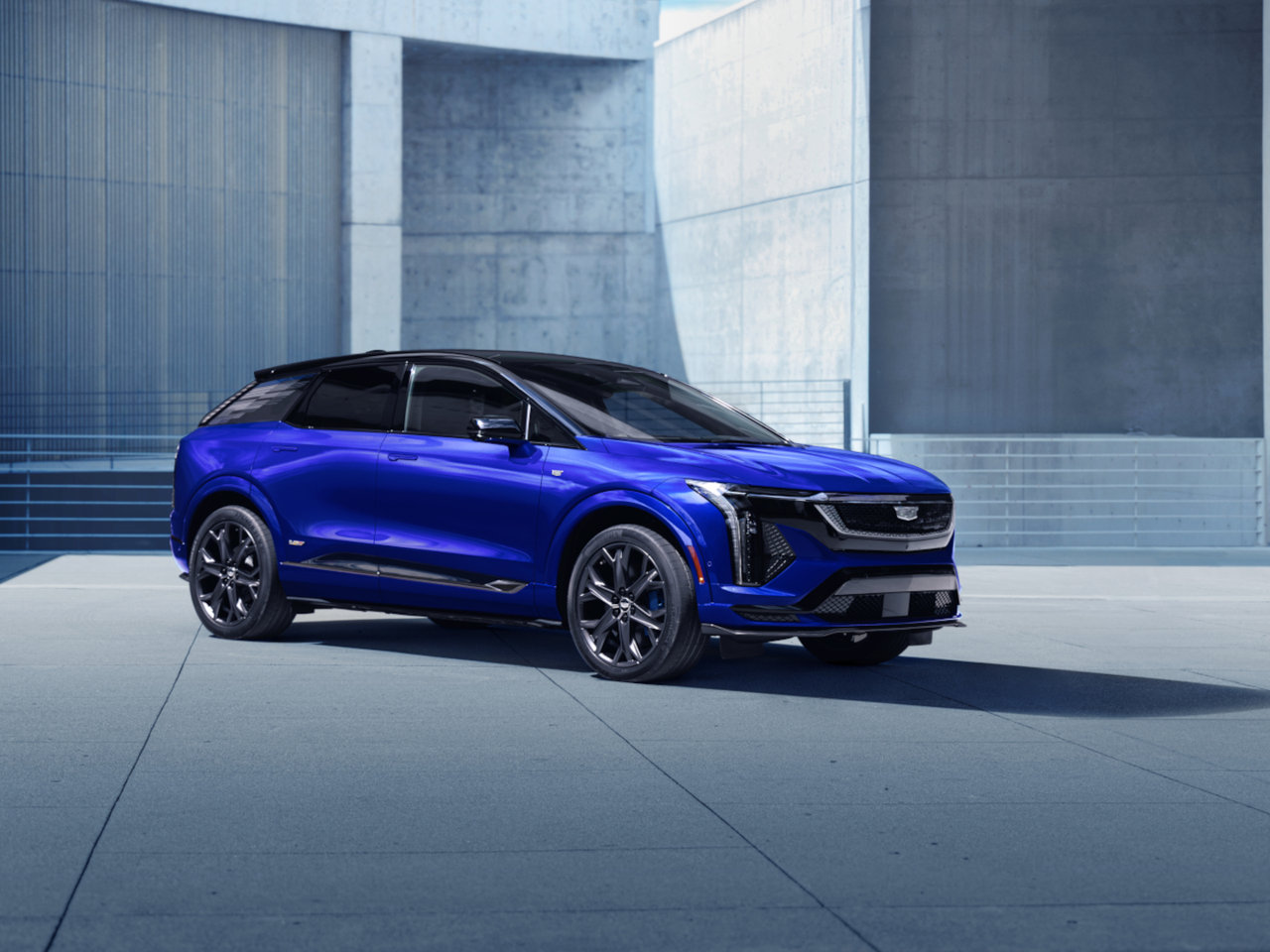
Highway driving asks a lot of a driver’s attention, even when the road itself isn’t demanding much. Long stretches of steady speed and steady traffic can wear you down before you notice it happening.
The 2026 Cadillac Optiq is built with a driver-assistance system that’s meant for exactly that kind of driving. Here’s what Super Cruise actually does, and where it fits into a typical highway commute or road trip in Quebec.
What Super Cruise Is
Super Cruise is Cadillac’s advanced driver-assistance technology, and on the 2026 Optiq it comes standard on every trim: Luxury, Sport, Premium Luxury, Premium Sport, and V-Series. Trim choice changes things like seat trim, wheel size, and charging hardware, but it does not change whether you get Super Cruise.
The system layers hands-on lane centring, adaptive following distance, and Google Maps lane guidance on top of an upgraded Adaptive Cruise Control that can match your speed to posted limits automatically. It’s a supervised system: your hands stay on the wheel, and your attention stays on the road, but the vehicle is doing more of the moment-to-moment steering correction and pace-setting than a conventional cruise control ever could.
How It Works on the Road
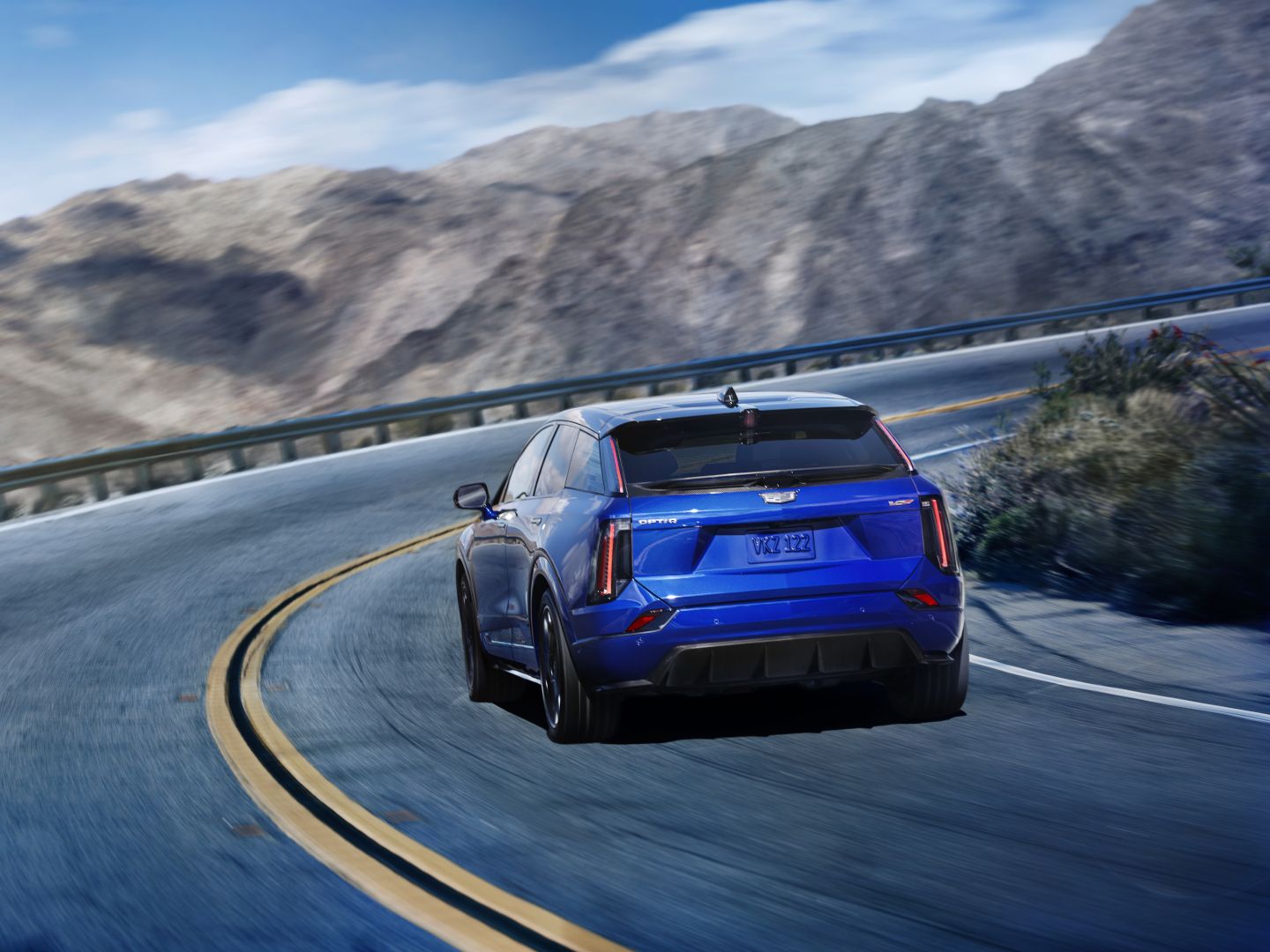
Once you’re on a compatible highway, Super Cruise uses lane centring to keep the Optiq tracking within its lane, while adaptive following automatically adjusts your distance from the vehicle ahead as traffic speeds up or slows down. Google Maps lane guidance adds another layer, feeding the system route awareness so it understands upcoming lane splits or exits on mapped roads.
The upgraded Adaptive Cruise Control can also match your speed to the posted limit automatically, which matters on highway sections where speed limits change more than once over a short distance.
Outside of mapped, compatible roads, or when conditions change, the system hands full responsibility back to you. Weather, construction zones, and unmapped routes are all situations where supervised assistance steps back and the driver’s own judgment takes over completely.
Why It Matters for Everyday Driving
The real benefit shows up on the kind of highway stretch most Quebec drivers already know: steady speed, steady traffic, not much variation for long periods. That’s precisely the driving condition where fatigue creeps in even though nothing dramatic is happening.
By handling lane centring and following distance continuously, Super Cruise reduces the number of small, repetitive corrections a driver would otherwise make hundreds of times over a long drive. That adds up to less physical fatigue on a two-hour trip and a calmer cabin on a daily commute.
It also smooths out traffic flow comfort. Because the adaptive following and speed-matching work together, the Optiq holds a more consistent pace in moving traffic instead of the driver constantly tapping the brake or accelerator.
None of this replaces driver responsibility. Super Cruise is a supervised system, not an autonomous one, and it’s built to support attentive driving, not substitute for it.
The Hardware Behind the System
Super Cruise doesn’t work alone. The 2026 Optiq pairs it with a standard set of driver-assistance and visibility features that support the same highway driving conditions:
|
Standard Feature |
What It Supports |
|
Adaptive Cruise Control |
Speed matching and following distance |
|
Blind Zone Steering Assist |
Lane-change awareness |
|
Driver Attention Assist |
Monitoring driver engagement |
|
Traffic Sign Recognition |
Reading posted speed limits |
|
HD Surround Vision |
Low-speed visibility (Luxury, Sport, Premium Luxury) |
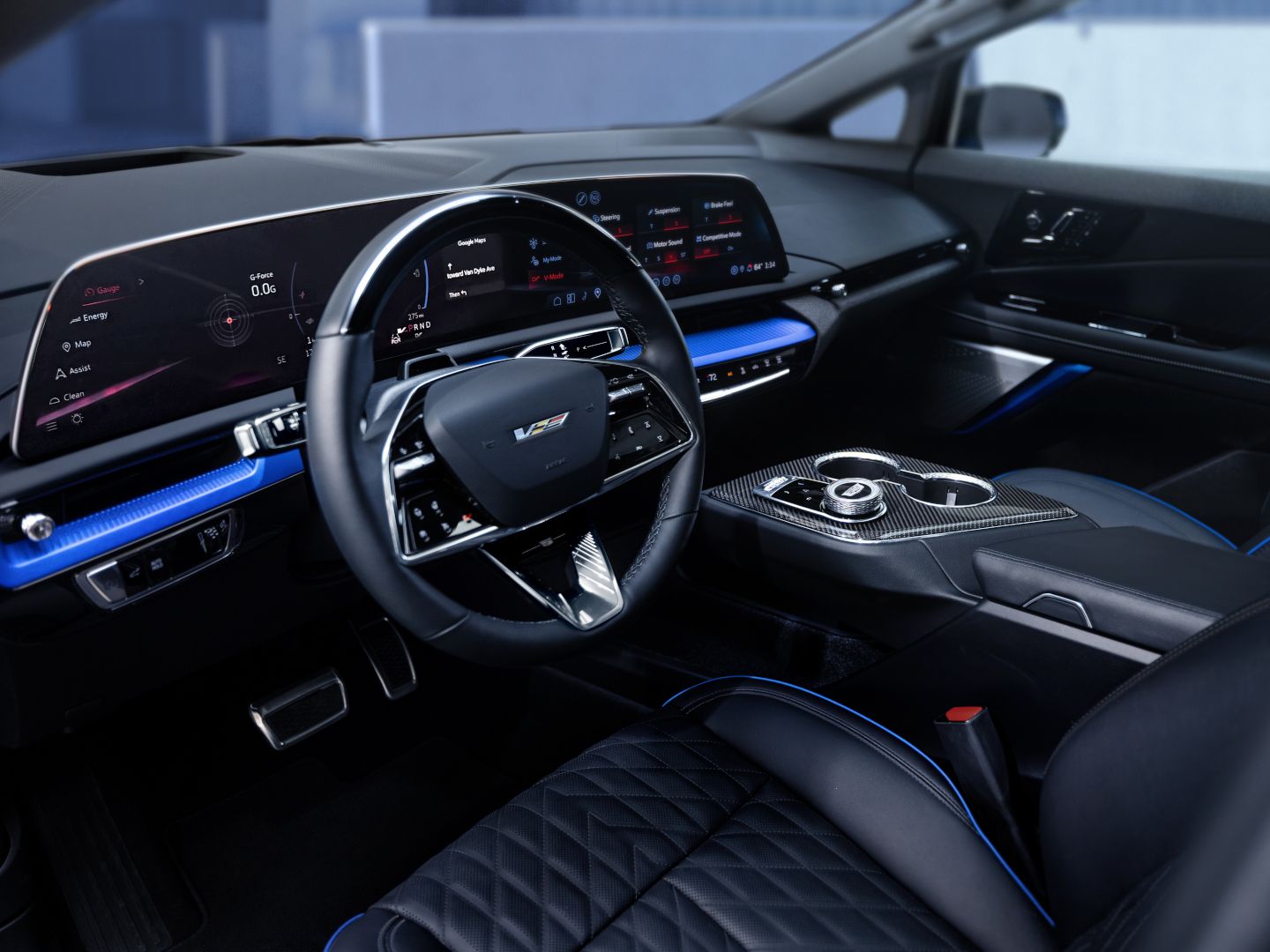
Inside the cabin, the 33-inch display, Google built-in, and standard Navigation and Voice Assistance form the interface layer that keeps route and lane information visible without pulling the driver’s eyes off the road for long.
Who Gets the Most Out of It
Super Cruise pays off most for drivers who spend real time on highways: daily commuters on longer routes, and anyone who regularly drives intercity between Quebec cities or regional destinations. The more consistent the highway stretch, the more the system’s lane centring and adaptive following can do.
It’s less about any single dramatic moment and more about trip consistency: fewer small corrections, a steadier pace, and a cabin that feels calmer at the end of a long drive.
The Optiq’s charging and connectivity ecosystem rounds this out for ownership day to day. Standard 5G connectivity, Wi-Fi hotspot capability, and a native NACS charging inlet mean the same long-distance habits that make Super Cruise useful on the highway are backed by straightforward charging access along the way.
Experience Super Cruise in the 2026 Optiq
Super Cruise turns the most repetitive part of highway driving, holding a lane and a following distance for kilometre after kilometre, into something the 2026 Optiq helps manage. It’s standard across every trim, so the decision is about which Optiq fits you, not whether you get the system.
Visit Cadillac Île-Perrot in Pincourt to see how Super Cruise behaves on real highway stretches and get a closer look at the lane guidance and driver-assistance features that support it in the 2026 Optiq.